Nantong Yunju New Material Technology Co., Ltd.
is China Onyx gulve Suppliers and Onyx gulve Manufacturers, located in Haian, Jiangsu — the cradle of Jianghai Civilization. Established in 2021, the company specializes in the R&D, production, sales, and service of ultra-thin stone. As a modern innovative enterprise, it occupies a land area of 60 mu and is committed to delivering superior stone solutions to the market, supported by strong in-house R&D capabilities and advanced production techniques.
Virksomheden har flere opfindelses- og brugsmodelpatenter og har samlet et erfarent team af tekniske og ledelsesprofessionelle. Kerneteamet omfatter 6 specialiserede tyndstensteknikere, 50 faglærte arbejdere, 5 kvalitetskontrolspecialister, 6 produktionsledelsespersonale og 5 salgsrepræsentanter, der yder solid menneskelig støtte til produktudvikling, fremstilling og end-to-end kvalitetssikring.
Udstyret med over 30 sæt specialiserede maskiner har vi etableret en strømlinet og effektiv produktionsproces fra råblokke til færdige produkter. Inden for godt to års drift er vores årlige produktionskapacitet nået op på cirka 300.000 kvadratmeter. Vi er blevet den udpegede stenleverandør for mere end 20 indenlandske og internationale møbelproducenter. Derudover har vi etableret stabile partnerskaber med adskillige designinstitutter og dekorationsvirksomheder, der leverer højkvalitets ultratynde sten- og marmorkompositmaterialer til en række nøgleprojekter.

Onyx gulve Suppliers
-
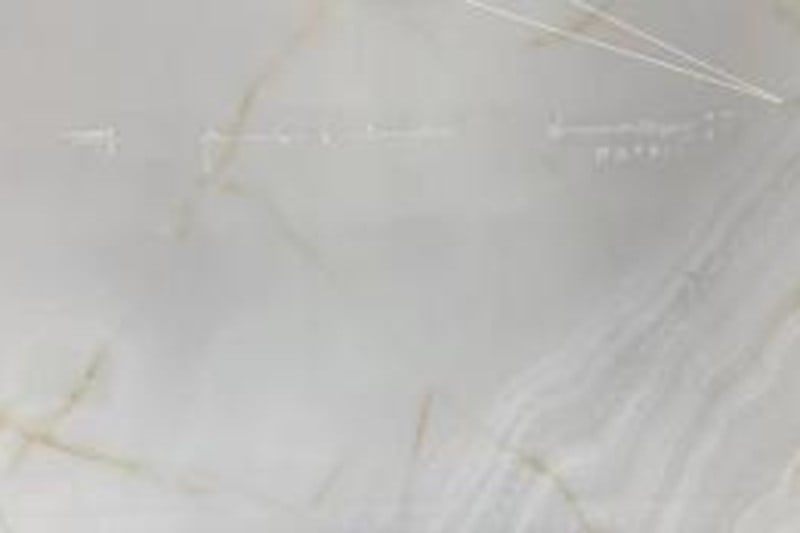 Hvidt Onyx gulv
Hvidt onyx-gulv er et avanceret gulvmateriale, der blander naturlig...
-
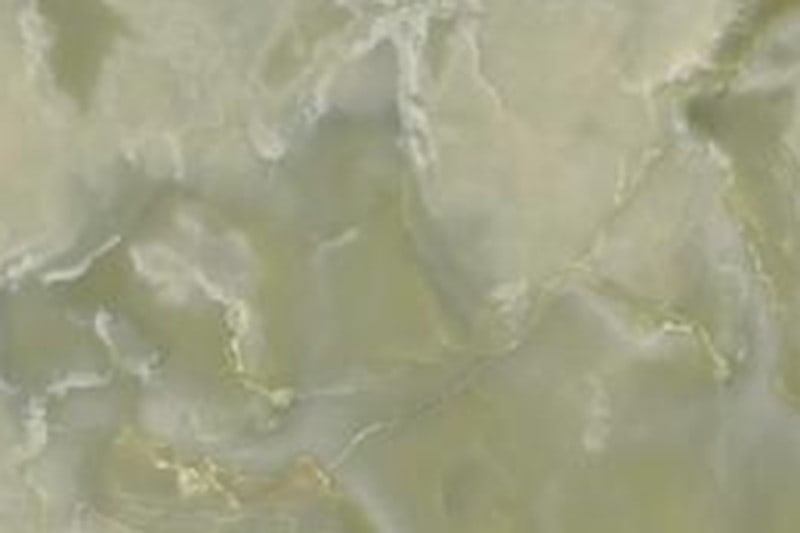 Grønt Onyx gulv
Greenonyx gulve er et avanceret gulvprodukt, der kombinerer stil, h...
-
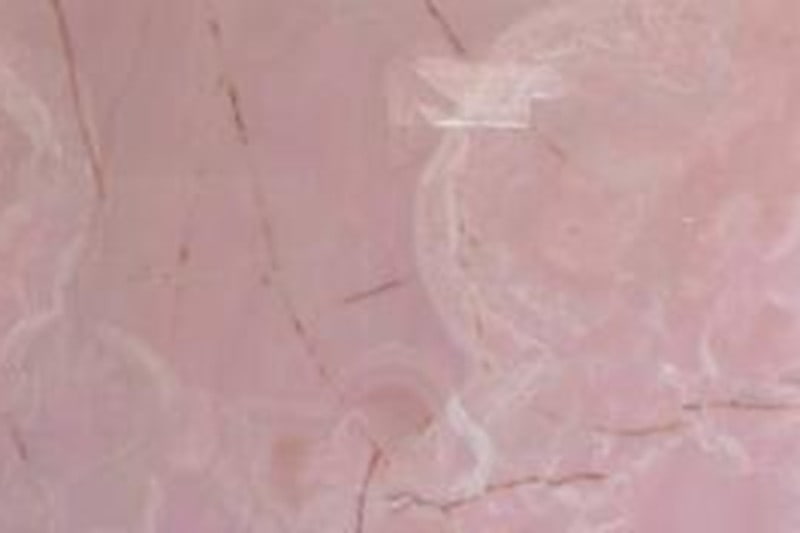 Pink Onyx gulve
Pink onyx-gulve er en avanceret og visuelt slående stengulvmulighed...
-
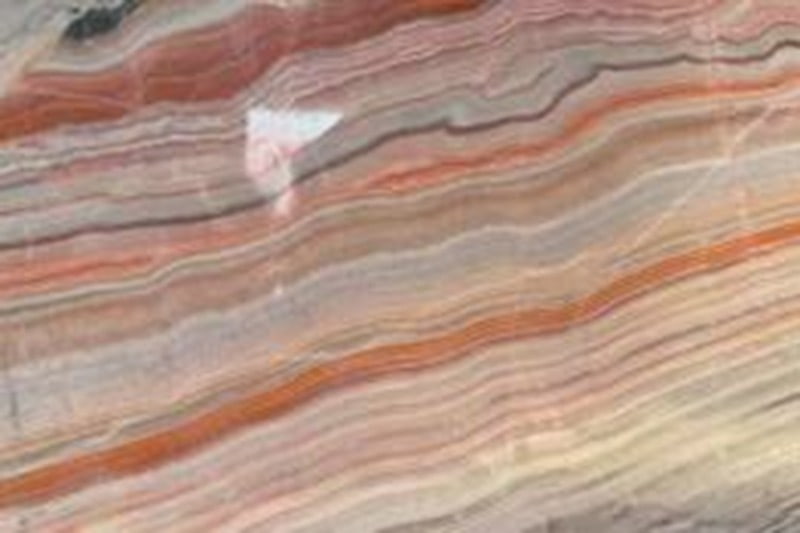 Rainbowonyx gulvbelægning
Rainbowonyx-gulve er et innovativt gulvmateriale, der skiller sig u...
Onyx-gulve, en ædel og unik natursten, er en sand kunstnerisk skat, som er begavet af naturen. Dens mest fængslende kvalitet ligger i dens iboende gennemskinnelighed og dens flydende, cascading, flydende tekstur. Når naturligt lys eller tilpasset belysning trænger ind i gulvet fra præcist definerede vinkler, reflekterer stenen en blød, varm glød, der gennemsyrer rummet med en mystisk og elegant vitalitet - et visuelt vidunder uden sidestykke af noget andet gulvmateriale.
At vælge Onyx-gulve er mere end blot et gulvmateriale; det skaber et tidløst omdrejningspunkt for din eksklusive bolig, villa, boutiquehotel eller flagskibshandelslokale. Det løfter ikke kun øjeblikkeligt stilen i ethvert rum, men fungerer også som et symbol på status og sofistikering. Hvert Onyx-gulv har en unik åring, der sikrer, at dit hjem virkelig er enestående.
Besked feedback
Firma
Nantong Yunju New Material Technology Co., Ltd.
Nyheder
-
Din kunde vil have et marmor-spisebord med en tre meter plade, to buede piedestaler og et bog-matchet åremønster, der fortsætter hen over overfladen. En konventionel 20 mm plade kan levere toppen, men den buede kant ville have brug for kraftig stålramme, og det komplette stykke kan være for tungt til at flytte på...
READ MORE -
Når du planlægger en renovering af hotellets lobby eller lancerer en ny linje af stenmøbler, bliver den marmorbearbejdningsfabrik, du vælger, lige så vigtig som selve stenen. En fabrik med svag proceskontrol vil forvandle premium naturlig marmor til revnede kanter, uoverensstemmende åremønstre og forsinkede forse...
READ MORE -
Pris et marmorvægpanel til en hotelliftlobby, og det tal, der normalt bryder budgettet, er ikke stenen. Det er vægten. En kvadratmeter Carrara-plade på 20 mm vejer cirka 54 kg. Dæk den samme væg med en 3 mm marmorfiner, der er bundet til en aluminiumsbikagekerne, og panelet kommer i nærheden af 14 kg/m², hvilke...
READ MORE
Onyx gulve Industry knowledge
Geological Characteristics and Architectural Performance of Onyx Flooring in High-End Residential and Commercial Spaces
Translucency Properties and Backlighting Integration Capabilities
Onyx is a parallel-banded variety of silicate mineral chalcedony or microcrystalline calcite, formed primarily through cold-water deposition in limestone caves and thermal springs. Unlike opaque igneous or metamorphic stones such as granite or traditional marble, onyx exhibits high light transmittance through its crystalline matrix. When deployed as onyx flooring in luxury interior projects, this translucent property allows lighting engineers to integrate under-floor LED panel arrays beneath the stone surface. The transmitted light illuminates internal mineral bands, fluid veining, and micro-crystalline formations, converting floor surfaces into active light-emitting architectural features.
To maximize light transmission without compromising structural load capacities, modern processors utilize precision mechanical slicing techniques to reduce the natural stone layer to thin veneers. Processing developments advanced by materials developers—such as Nantong Yunju New Material Technology Co., Ltd., based in Haian, Jiangsu—demonstrate how laminating 2mm to 4mm translucent stone sheets onto high-clarity tempered glass or acrylic composite backings preserves optical light passage while providing necessary flexural support. This structural synthesis allows backlit onyx flooring installations in hotel lobbies, VIP lounges, and private residence entryways to maintain surface illumination without requiring thick, fragile solid slabs.
Exotic Chromatic Variance and Geological Pattern Rarity
The aesthetic distinction of onyx flooring stems from its unique formation process, where mineral-rich water deposits successive layers of cryptocrystalline quartz, iron oxides, and manganese over thousands of years. This slow deposition creates vivid color bands ranging from honey amber and emerald green to deep rust and translucent ivory. Because raw quarry reserves for high-grade onyx are geographically limited compared to commercial limestone or granite deposits, the material carries an inherent market rarity that aligns with luxury interior specifications.
Unlike uniform synthetic porcelain tiles, no two slabs of natural stone display identical veining geometry. When executing expansive luxury floor plans, maintaining chromatic harmony across adjacent panels requires systematic block selection and digital scanning. Enterprise stone specialists, including Nantong Yunju New Material Technology Co., Ltd., utilize high-resolution digital scanning across their production lines to map internal veining sequences. By indexing thin stone sheets extracted sequentially from the same quarried block, fabricators achieve precise book-matching and continuous pattern flow across custom onyx flooring layouts.
| Material Attribute | Traditional Solid Onyx Slab (20mm) | Composite Ultra-Thin Onyx Panel (3mm + Glass Core) |
|---|---|---|
| Optical Translucency Rate | Low to moderate due to thickness absorption | High light transmission through thin stone veneer |
| Structural Mass Burden | Approximately 50 to 55 kg/m² | Approximately 12 to 16 kg/m² |
| Flexural Stress Resistance | Low; susceptible to cracking along mineral veins | High; glass/acrylic backing absorbs flexural shear |
| Under-Floor LED Efficiency | Requires high-wattage lighting to penetrate thickness | Requires lower LED power output for uniform glow |
| Site Breakage Risk | Elevated risk during transit and manual positioning | Reduced risk; composite core stabilizes brittle veins |
Composite Engineering and Subfloor Weight Optimization
In its raw, unreinforced state, solid onyx is intrinsically brittle, exhibiting low flexural strength and natural structural micro-fissures along its mineral banding lines. Installing full-thickness 20mm solid onyx slabs on floors creates significant dead weight while remaining vulnerable to cracking under concentrated point loads or subfloor deflection. The development of ultra-thin composite stone panels resolves these physical limitations by separating visual aesthetics from structural load bearing.
By bonding thin onyx veneers to high-tensile backing materials, engineers create composite panels with elevated impact resistance and lower areal weight. Operating from a 60 mu industrial facility, Nantong Yunju New Material Technology Co., Ltd. applies in-house R&D and advanced production techniques to laminate thin stone sheets onto rigid structural substrates. This composite engineering reduces overall panel weight by up to 75 percent compared to solid masonry, making onyx flooring viable for upper-story residential retrofits, yacht interiors, and commercial elevator cabs where strict floor loading limits apply.
Acoustic and Thermal Response in Interior Environments
Beyond visual characteristics, onyx flooring influences the environmental physics of luxury spaces, specifically thermal dissipation and acoustic reflection. When integrated with underfloor radiant heating systems, the thin profile of composite stone panels allows thermal energy to pass quickly from heating conduits through the stone face into the room. Solid stone slabs retain heat slowly and can experience thermal stress along natural mineral veins if heated unevenly, whereas composite panels distribute warmth evenly across the floor surface.
Acoustically, polished stone surfaces reflect sound waves, contributing to the crisp, open acoustic profile typical of luxury reception halls and grand foyers. When paired with dense composite backing layers, backlit onyx flooring assemblies attenuate low-frequency footstep impacts more effectively than unreinforced stone slabs, balancing room reverberation while maintaining a smooth, solid underfoot feel.
| Operational & Environmental Factor | Solid Masonry Flooring | Composite Ultra-Thin Onyx Flooring |
|---|---|---|
| Radiant Heat Transfer Rate | Slow thermal absorption through thick stone mass | Rapid thermal conduction through thin stone profile |
| Installation Footprint Height | Requires thick mortar bed (30mm to 50mm build-up) | Low profile adhesive setting (10mm to 15mm build-up) |
| Subfloor Deflection Tolerance | Zero tolerance; rigid stone cracks easily | Moderate flexibility via composite backing absorption |
| Surface Resin Stabilization | Topical sealer application only | Deep vacuum resin impregnation during lamination |
| Subsequent Restoration Potential | Honing and re-polishing capable | Honing capable with controlled diamond abrasives |
Surface Stabilization Protocols and Maintenance Engineering
Because calcite and aragonite-based onyx varieties possess sensitivity to acidic compounds and physical abrasion, long-term performance relies on specialized factory-level surface stabilization. During composite manufacturing, raw stone veneers pass through vacuum impregnation chambers where low-viscosity thermosetting resins fill internal micro-fissures and microscopic surface pores. This process seals internal cavities that could otherwise trap moisture or dirt.
Following resin impregnation, protective topical sealers are applied to form a hydrophobic and oleophobic surface barrier. This multi-layer sealing protocol protects the onyx flooring from household liquid spills, acidic etching, and chemical discoloration. Daily maintenance requires simple dry-dusting and periodic cleaning with pH-neutral stone formulations, allowing the illuminated stone surface to retain its crystalline depth and color saturation across decades of residential and commercial service.
FAQ
Q: How do composite onyx flooring panels facilitate the installation of backlit floor features compared to solid stone slabs?
A: Traditional 20mm solid onyx slabs are thick and opaque, requiring high-intensity lighting to achieve minimal translucency. Composite panels utilize ultra-thin stone veneers (typically 2mm to 4mm) laminated onto high-clarity tempered glass or acrylic backings. This reduced thickness maximizes light transmission, allowing under-floor LED arrays to create a uniform, glowing surface with lower energy consumption and less heat buildup.
Q: Will the brittle mineral structure of onyx cause flooring panels to crack when installed over subfloors with minor movement?
A: Solid onyx is naturally prone to fracturing along internal mineral veins when subjected to shear stress. Modern composite manufacturing—such as the lamination techniques refined by Nantong Yunju New Material Technology Co., Ltd.—bonds the stone veneer to a flexible, high-tensile backing core. This substrate acts as a structural shock absorber, redistributing localized pressure and protecting the fragile stone face from cracking during building settling or thermal expansion.
Q: How does the weight of composite onyx flooring compare to traditional masonry for use in upper-story or yacht interior projects?
A: Full-thickness stone flooring generates significant dead weight, often exceeding 50 kg/m², which limits use in weight-sensitive areas. Composite onyx panels reduce this structural burden by up to 75 percent. By using lightweight structural cores, these panels meet strict floor loading requirements for luxury residential retrofits, elevator cabs, and marine interior applications without compromising the authentic aesthetic of natural stone.
Q: What measures are taken during manufacturing to protect the porous surface of onyx flooring from chemical etching and staining?
A: Because onyx is calcite-based and sensitive to acidic liquids like wine or cleaning agents, factory-level stabilization is critical. Production facilities, including the specialized workshops at Nantong Yunju New Material Technology Co., Ltd., employ vacuum-pressure resin impregnation. This process forces polymer resins deep into the stone’s microscopic fissures, creating a non-porous surface barrier that resists liquid penetration and chemical discoloration.
Q: Can fabricators ensure continuous vein patterns across a large onyx flooring installation?
A: Yes. Precision mechanical slicing allows for dozens of ultra-thin veneers to be extracted consecutively from a single quarried block. By using digital sequence mapping, fabricators can book-match and align adjacent stone sheets in order. This ensures that the organic mineral banding and color flow remain consistent and uninterrupted across expansive floor layouts, maintaining the visual integrity of the natural stone.
Q: What maintenance routine is required to keep backlit onyx floors clear and scratch-free over time?
A: Daily care simply requires dry-dusting or mopping with a soft microfiber cloth to remove abrasive grit. For deeper cleaning, use only pH-neutral cleaners specifically formulated for natural stone. Avoiding acidic household sprays, vinegar, or abrasive scouring pads prevents damage to the factory-applied sealer, ensuring the stone’s crystalline depth remains visible through the integrated lighting system.
Q: Are ultra-thin onyx flooring panels compatible with underfloor radiant heating systems?
A: Yes. The minimal thickness of composite onyx flooring provides low thermal resistance, allowing heat from radiant floor systems to transfer rapidly and evenly to the room surface. Unlike thick, dense stone slabs that retain heat unevenly and may suffer from internal thermal stress, these thin panels conduct warmth efficiently without risking cracking or adhesive degradation.
Yunju
Produkter
Kontakt
-
 56 Ronggang Road, Binhai New Area, Laoba Port, Hai'an City, Nantong City, Jiangsu Province
-
 [email protected]

Mobil

Copyright ©Nantong Yunju New Material Technology Co., Ltd.Rights Reserved.
 Custom Onyx gulve Manufacturers